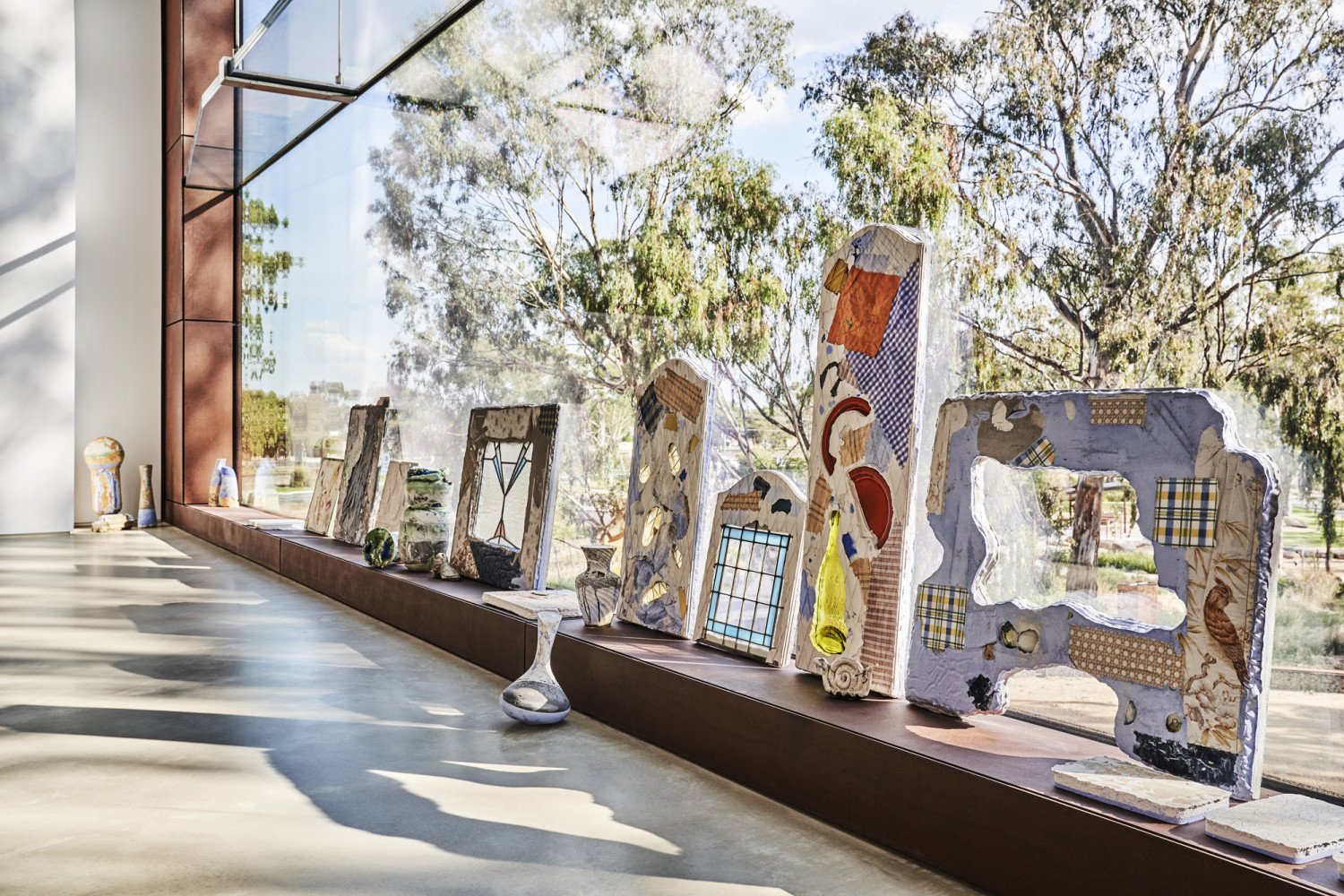
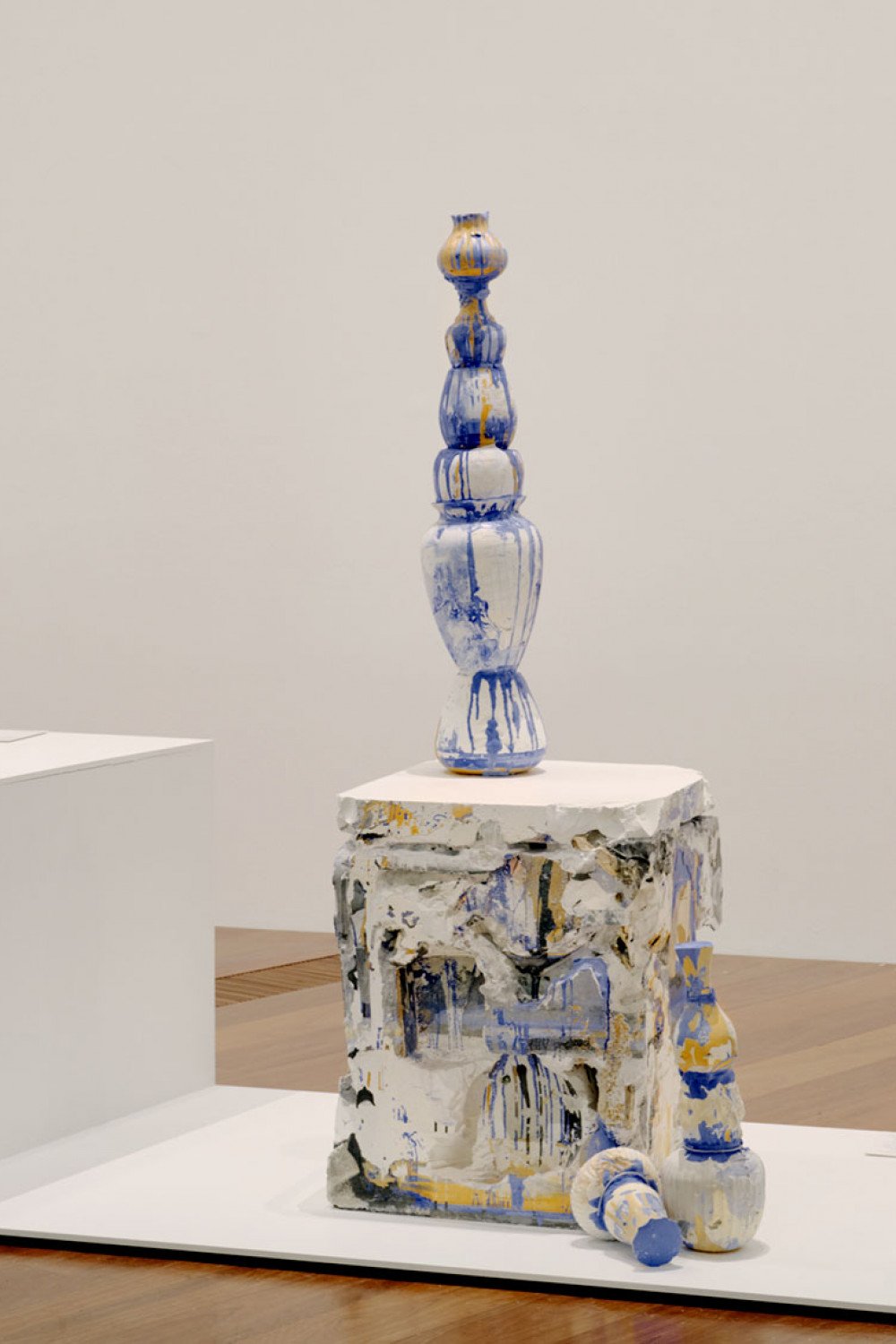
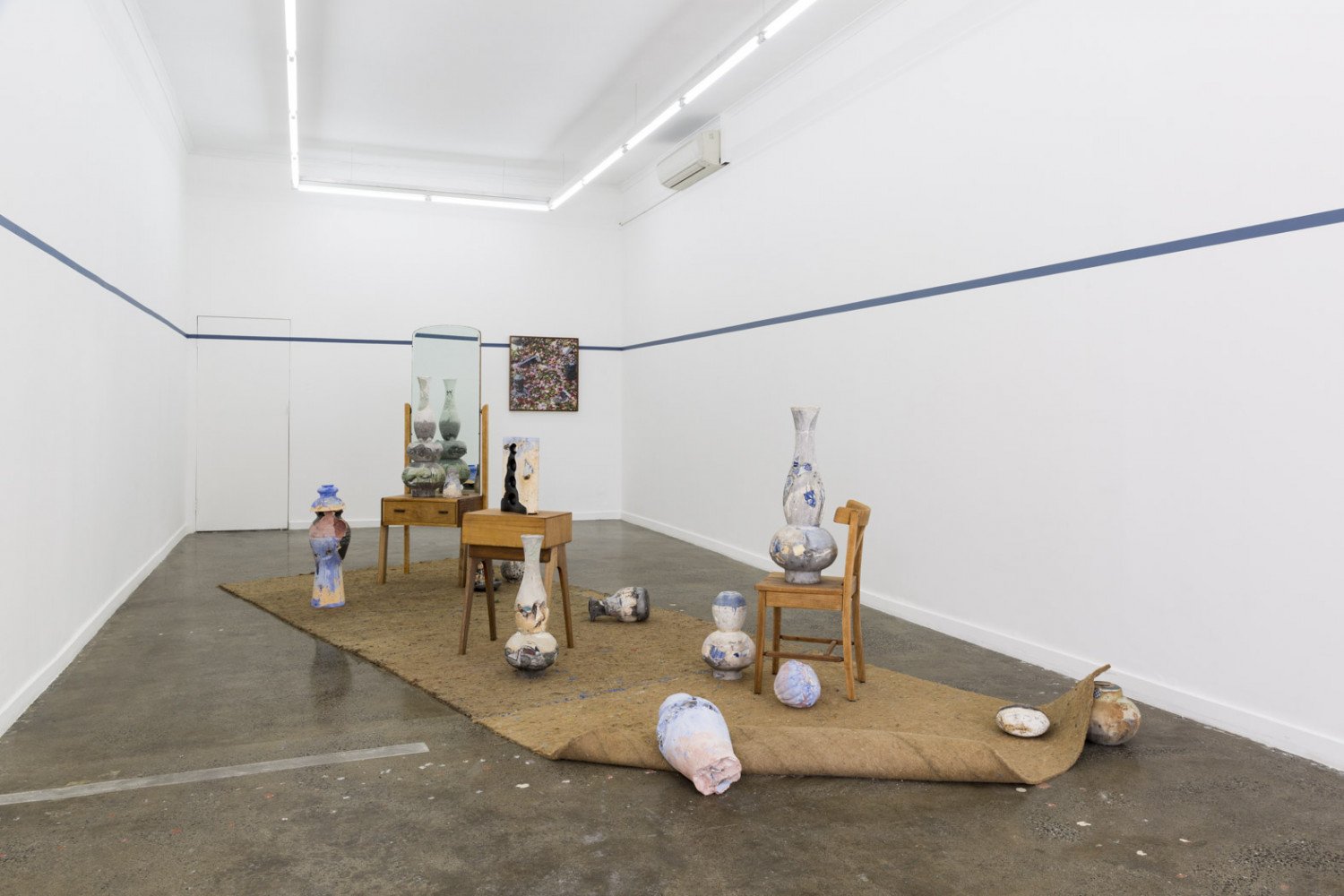
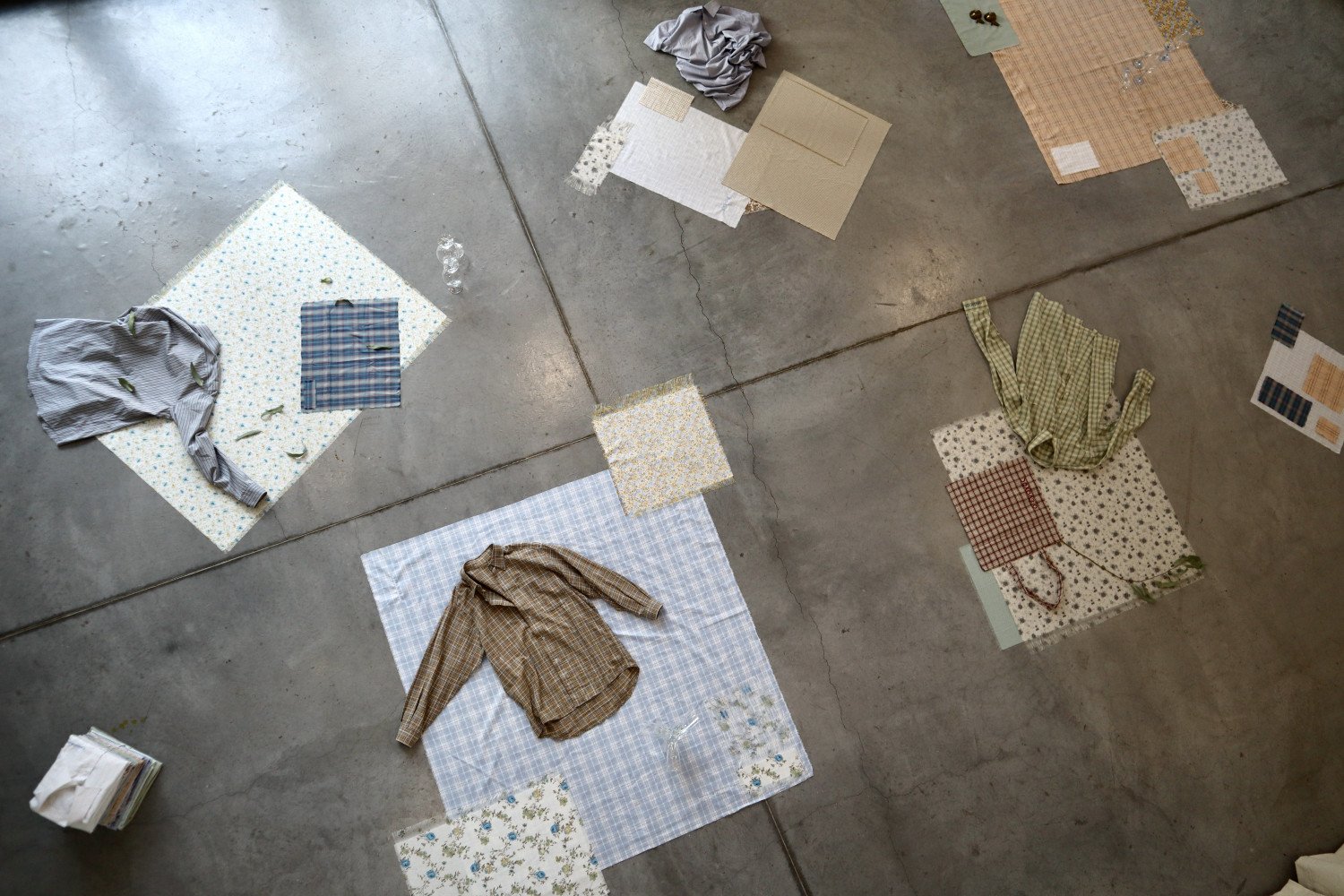
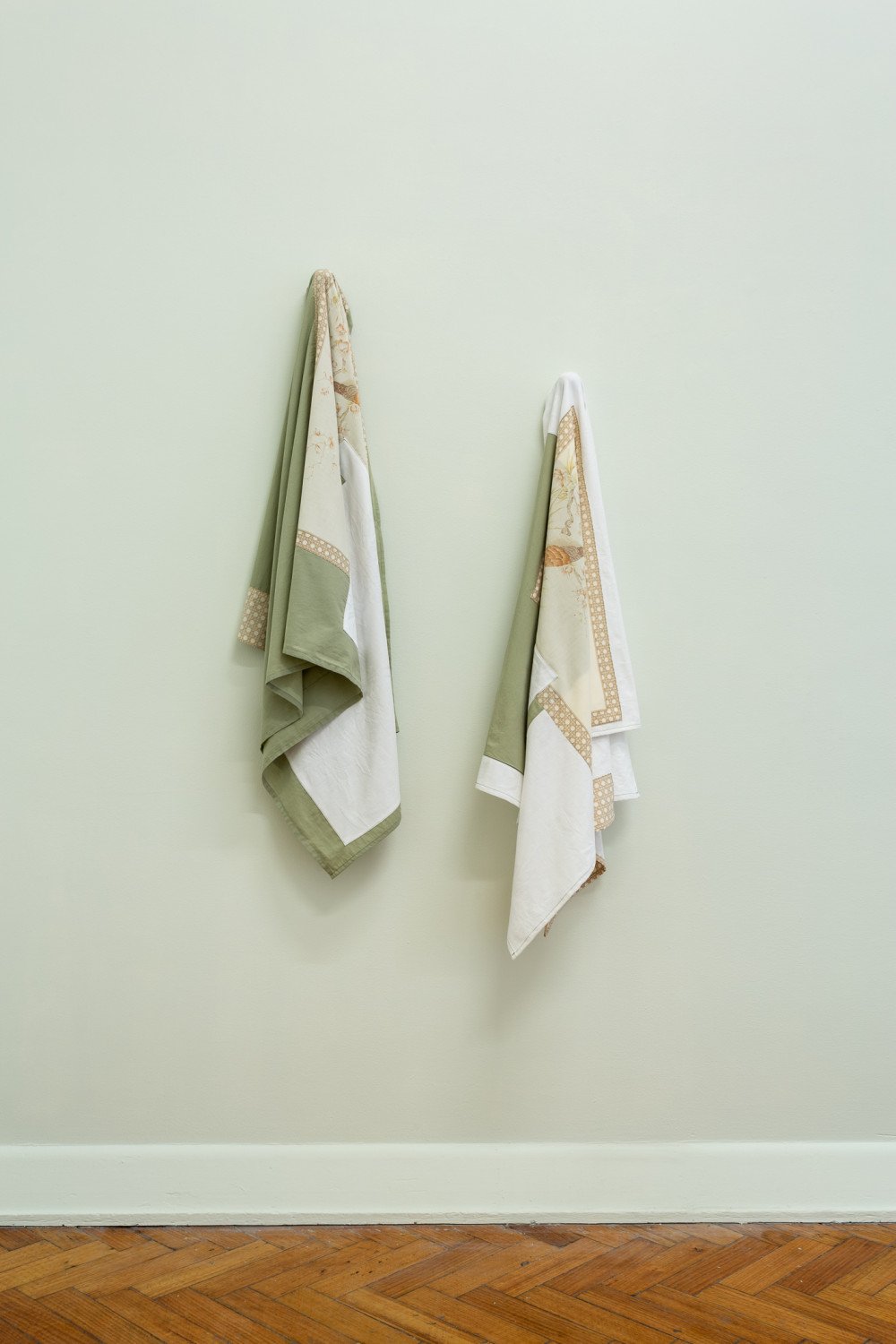
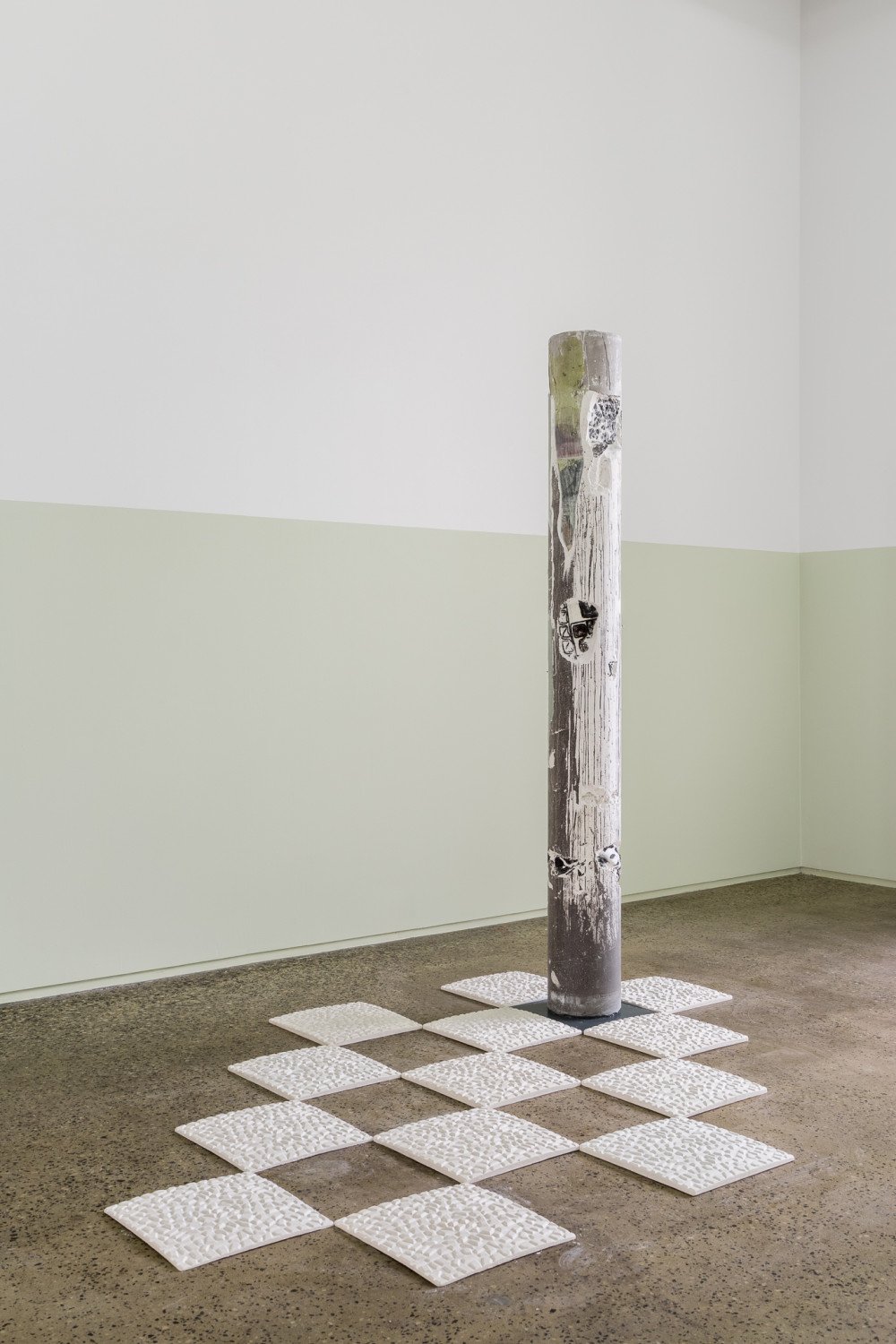
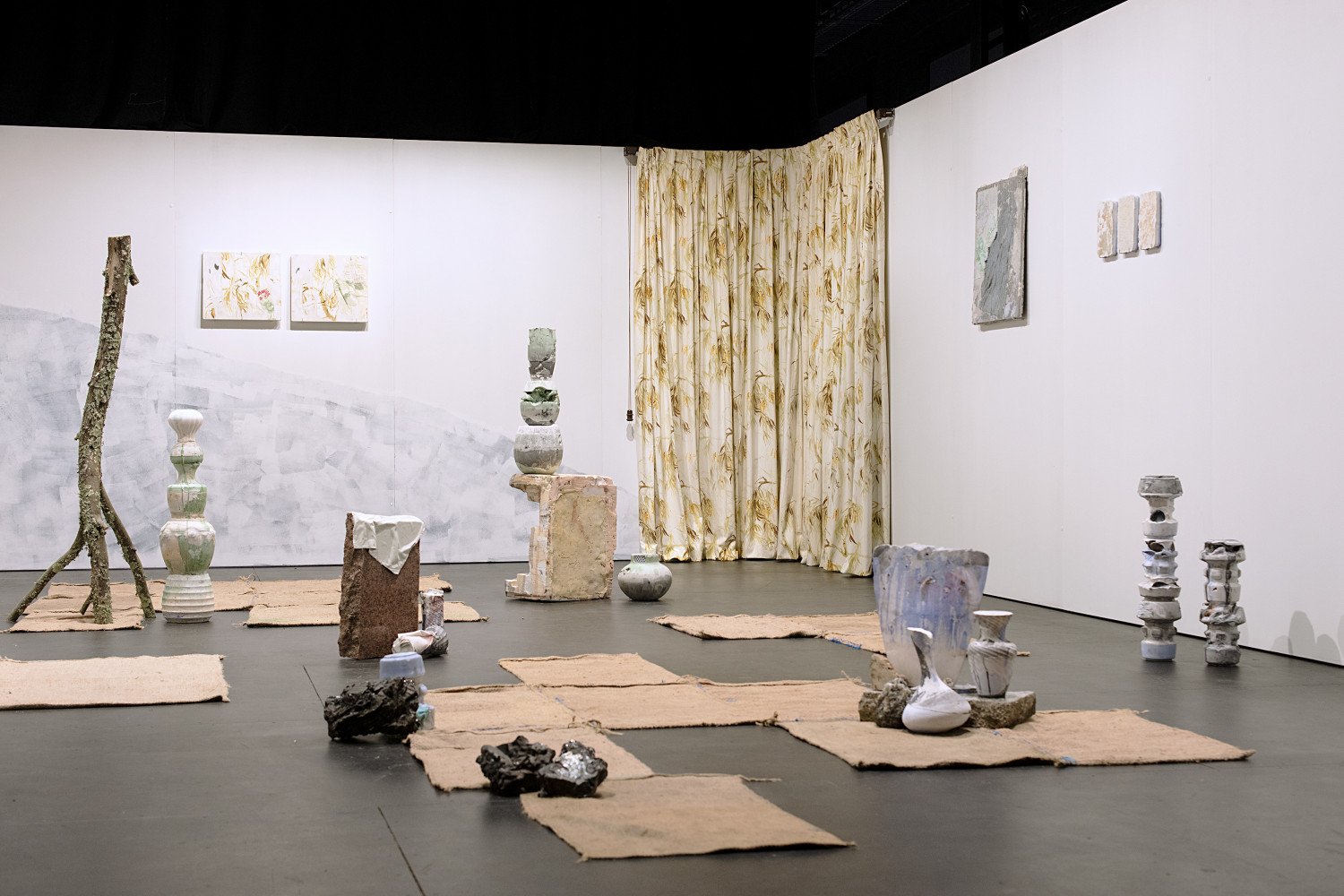
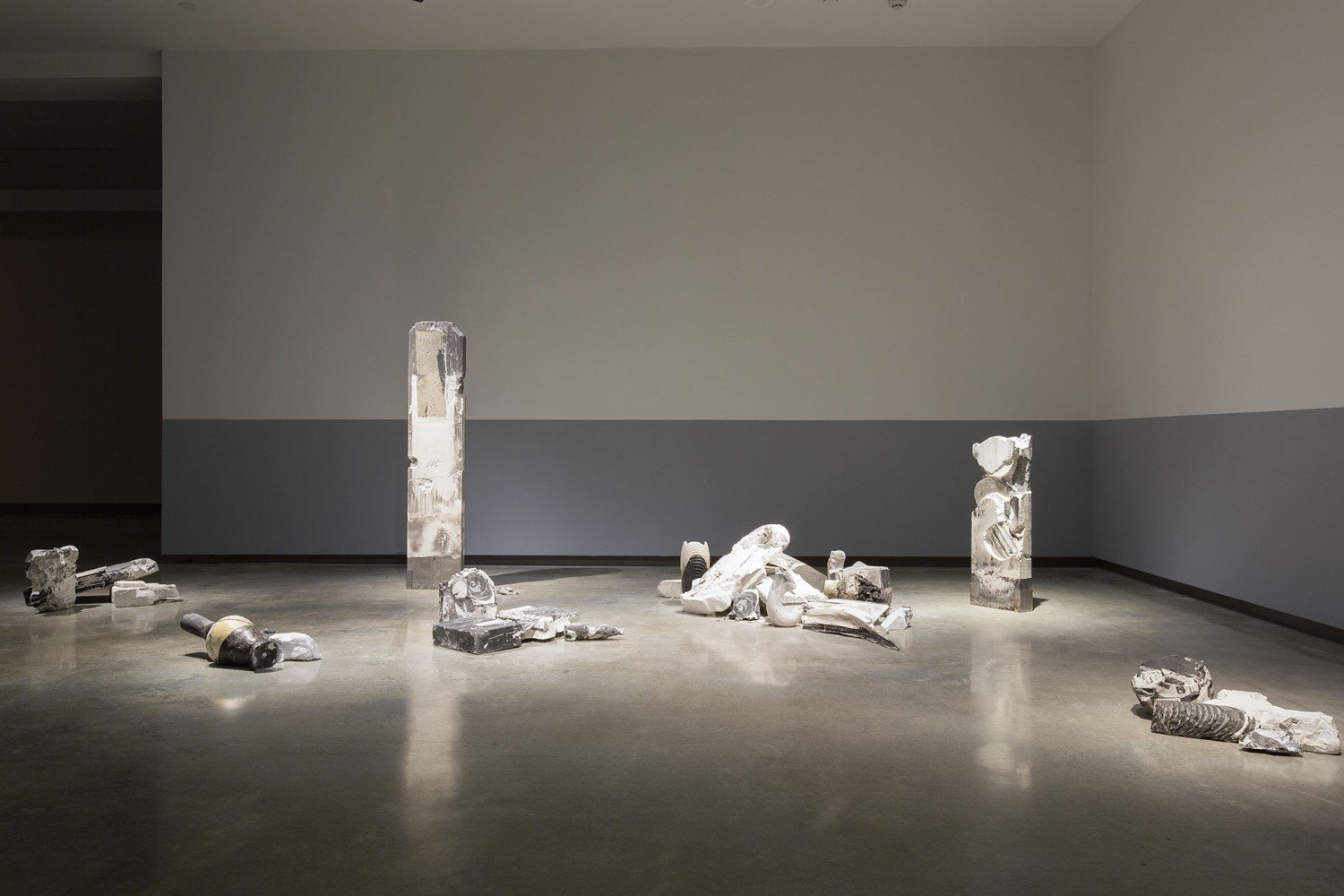
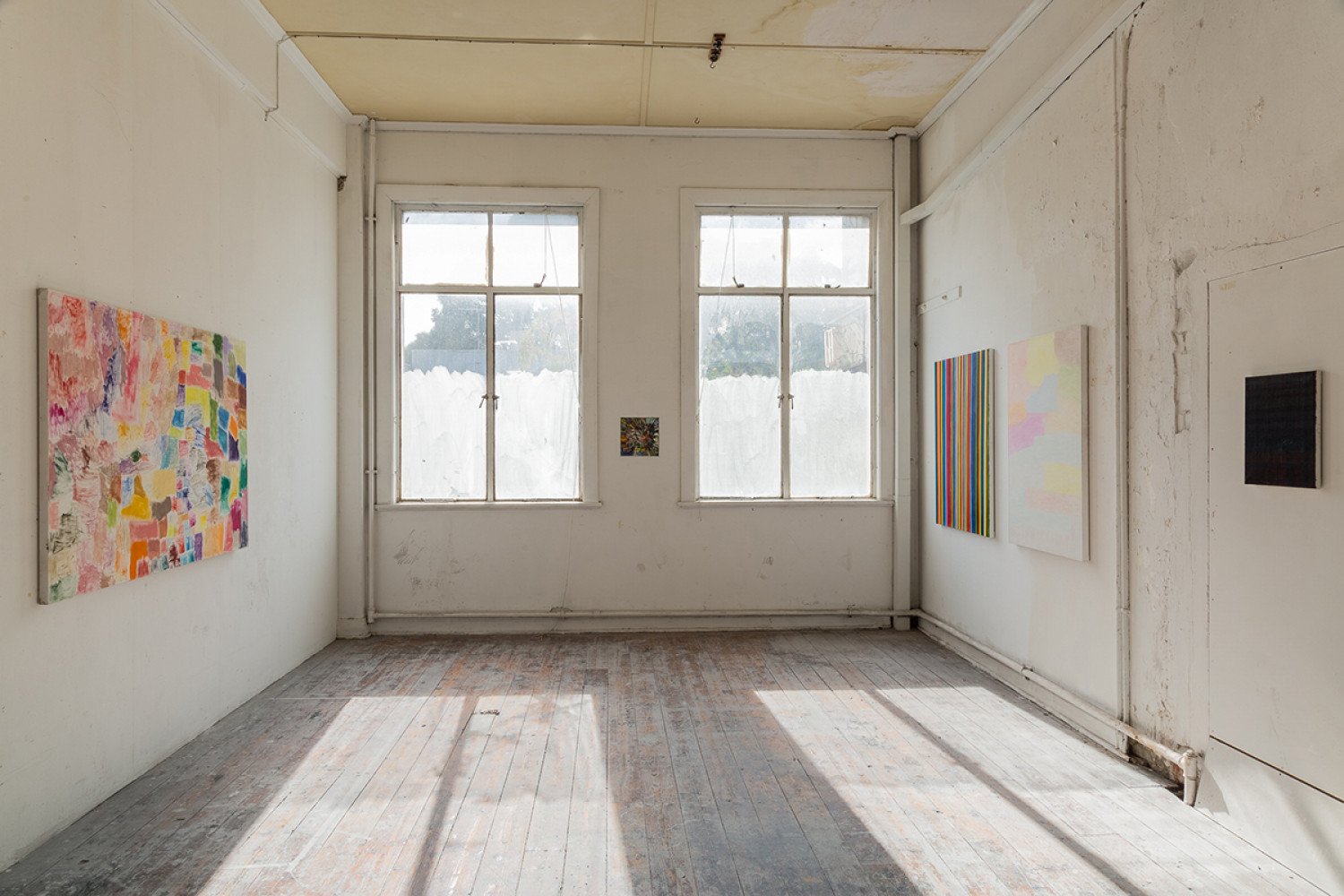
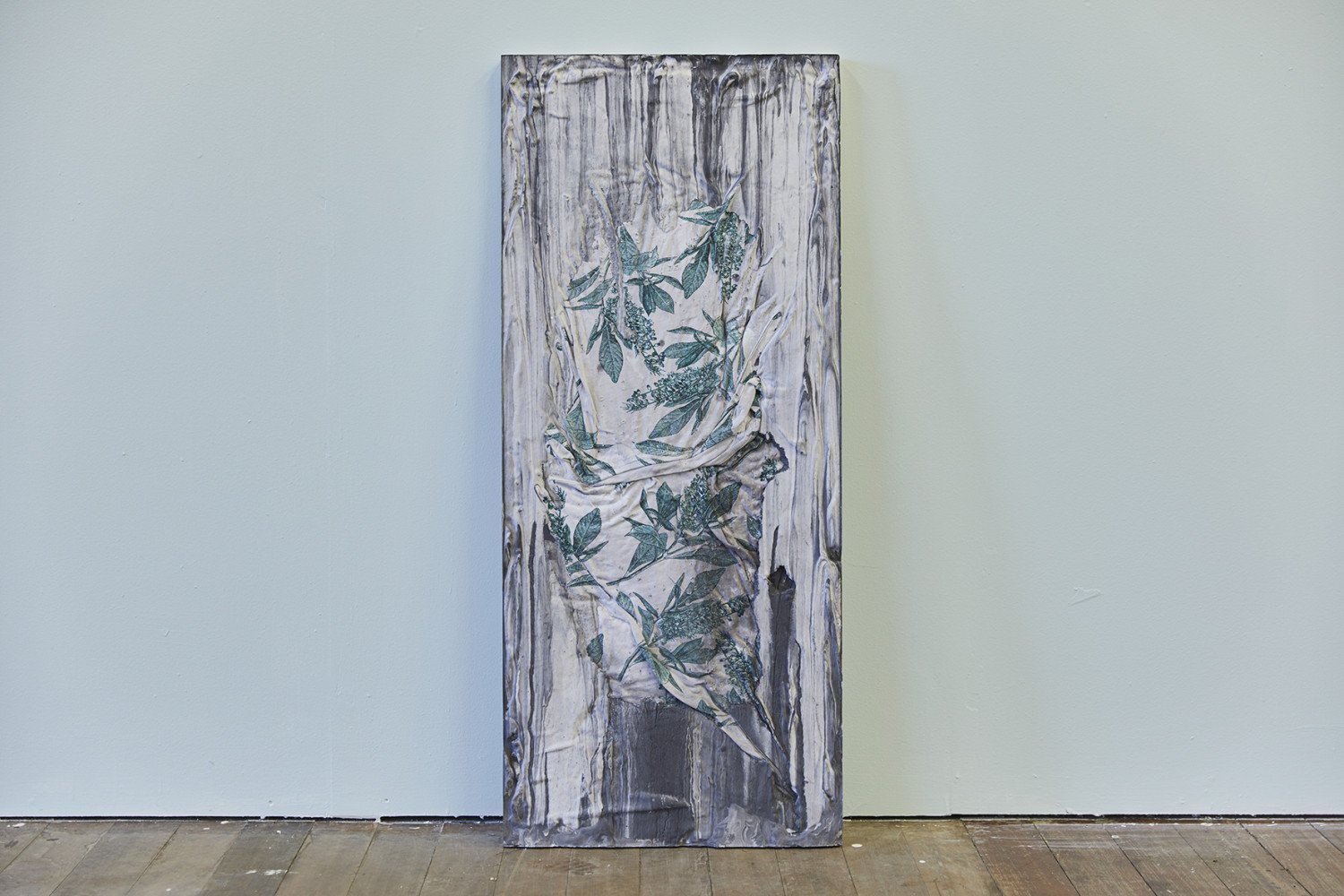
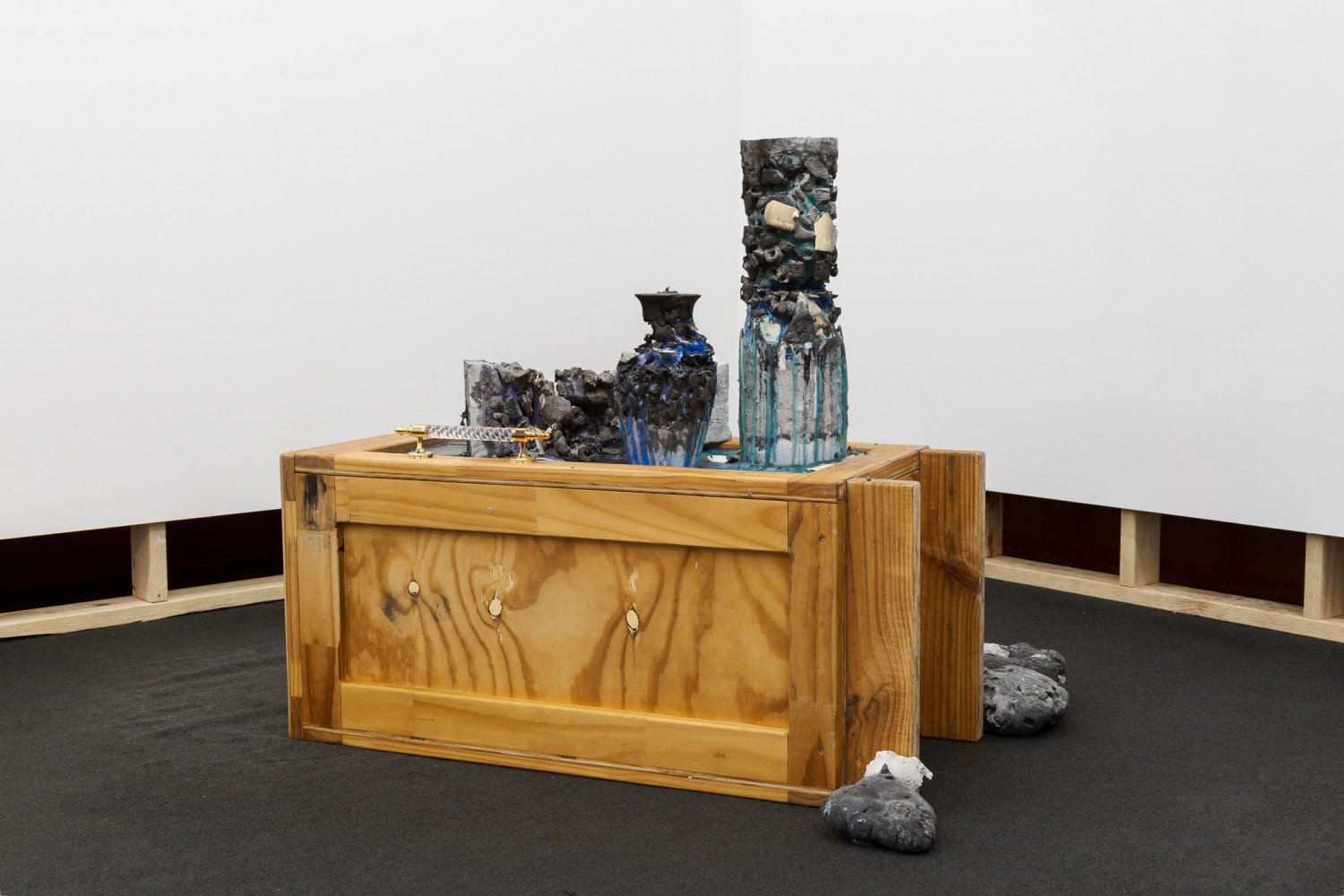
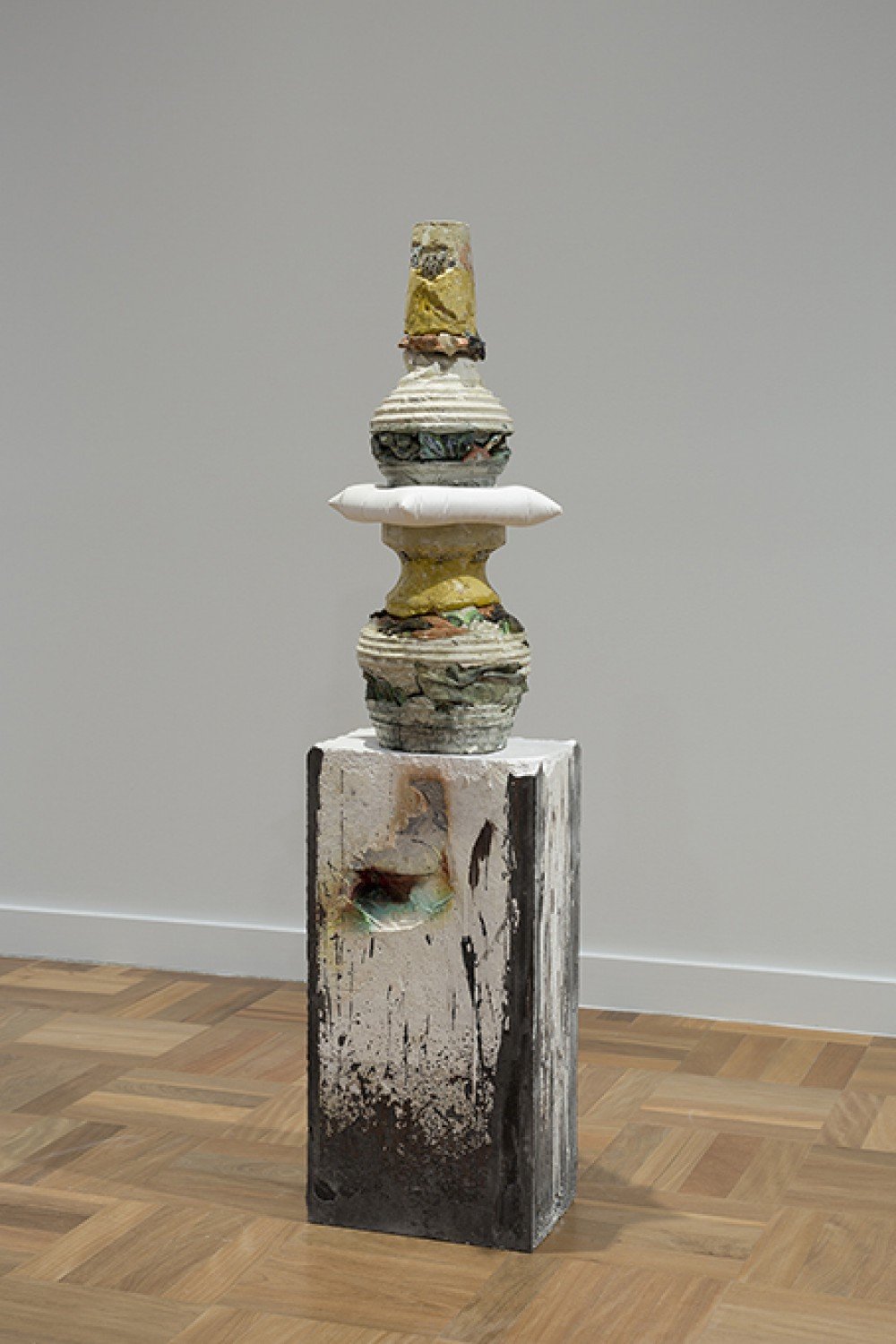
Working on these for ‘dark-matter, dark-energy’ at Stockroom, Kyneton. Opening in July.
Curated by Kent Wilson
Working on these for ‘dark-matter, dark-energy’ at Stockroom, Kyneton. Opening in July.
Curated by Kent Wilson
Blendin’ at Platform.
With artists; Adam John Cullen (curator), Virginia Overell, Rebecca Joseph & Christopher LG Hill.
Exhibition with Grant Nimmo
He’s going to plant a walnut grove and he’s going to build a giant hot-house.
Or
“These guys are pretty jejune”
We took two cars and all drove west out of town. At some point we stopped and got out to look at the water. The wind was strong – we were dogs licking the air. There was talk of getting away for a while. Maybe setting ourselves up somewhere and planting some veggies.
We walked to a waterfall. Some of us were faster than others and some of us got there just as some of us were leaving. We found a fungus on a tree trunk, layers and layers of pink/orange fingers with frilly edges – growing because of some accidental perfect amalgam of conditions and circumstance in that place. Growing out of seemingly nothing into a ridiculous looking something crammed with the plasticity of a Jean Arp sculpture.
.
The parallelism when you play The Wizard of Oz and Pink Floyd’s The Dark Side of the Moon together is somewhat disappointing but there’s something there. An aesthetic syntax comprising combinations of the fantastic with the vague hope that you’ll unearth a phenomenon.
This game, bringing disparate ideas in the form of symbols into conversation with one another is a fun game. It’s especially fun if you let things loosen up a little, let things detach so that you’re dealing with floating signifiers. This hypnagogic visual language is the free play of both heavily laden symbolism and these floating signifiers. You end up with either a visual non sequitur or an uncanny communion.
The goal is both a laugh and the spiritual awakening, unus mundus, Jung’s explanation for the uncanny parallels that we experience in our lives – that is, the governing dynamic underlying human experience; the deeper order. It’s as Gabrielle Buffet-Picabia said of Dada, “ …within a periphery of nonsense the ridiculous and the profound were made to evince each other.”[1] And incongruity, the stuff of surrealist humour, is after all a good friend of absurdity, that which arises in the space between apparent meaninglessness and our earnest search for universal order. What we get is a loving, deeply invested piss-take.
Arp said, “An insignificant word might become a deadly thunderbolt. […] One little sound might create a new universe.”[2] Or an insignificant word might become a silly mushroom might become a big joke.
Pip Wallis 2011
Exhibition with David Mutch and Yake Wiess + Exhibition catalogue with text by Pip Wallis, Brooke Babington and Michael Ascroft. Design by David Mutch
Publication Texts:
Maybe a carnivorous terrarium is a good metaphor for society taken at its cynical worst – especially a society like ours, which sometimes thinks itself to be on the brink of disaster.
A terrarium is small, transparent enclosure in which selected plants, in this case varieties like the Venus Fly Trap and the Pitcher Plant that supplement their nutritional intake by feeding on insects, are kept and observed. These miniature environments are sealed in by a mostly airtight shield of glass or plastic. They are lit by artificial light, sometimes intermittently to mimic day and night, depending on how necessary it is for the health of the plants inside to have a simulation of a real ecosystem. A water source within the container usually keeps the atmosphere inside humidified; the temperature is monitored and controlled to according to the needs of particular species, while the gardener has to pass on a constant supply of food.
An insider’s impression of this environment would be that, despite appearances, in spite of the outwardly threatening features of the residents, existence is calm, cosseted. Everything would move slowly. Where’s the tension that you might expect to come out of the difference between what they are and how they live together? It’s hard to shake the feeling – really, it is difficult to acknowledge how simple and obvious it is – that nothing seriously dangerous lies behind or beneath their exterior shape. That is, nothing about any of them seems like a serious threat to the livelihood of the others.
So while they might well feel threatened by their neighbours – feelings are just feelings. The only practical danger they face is starvation, which, if the gardener makes good on their obligation, shouldn’t be a problem. Eating requires violence of some kind or another, like a fly being gradually dissolved in a pool of digestive enzymes, but this an unremarkable everyday reality, not some transcendent or decadent act. You eat so you survive, and everything else flows from this simple fact.
But would they get by without that little transparent wall, that thin boundary which does the most important work of all? The metaphor says: we became a race of predatory plants, vegetating in a bubble.
Michael Ascroft 2010
Going forward going back, now.
In 1964 the Army of the United States launched the Camelot Project. A social science research assignment, the project sought to chart the changing socio-political environment of a nation and, using that knowledge, develop a means of predicting the future. Chilli was nominated as the case study and sociologists were recruited to perform the research. Within a year the project had been abandoned because of international opposition to its imperialistic undertones.
The condescending anthropological bent of the Camelot Project echoes Isaac Asimov’s fictional theory of psychohistory. In his 1951 science fiction series Foundation Asimov proposes a means of predicting the future of the human race as it colonises the galaxy 12,000 years from now. Asimov imagines Psychohistory as a study of the social developments of the population to give a projection of future shifts.
In these hubristic projects of future telling, we are creatures of habit compelled by the dumb repetitions of our species. The past and the future are indistinguishable from each other and stretch out on either side of the moment. In the Darwinian terms of H.G. Wells’ The Time Machine, evolution and degeneration sees time rounding on itself in a huge arc.
When writing The Time Machine in 1895 Wells knew and admired Thomas Huxley, Darwin’s great defender, Ray Lancaster, the zoologist who proposed ‘degeneration’, and Karl Marx who was a close friend of Lancaster’s. These influences play out in The Time Machine: the optimism of a glorious future (time travel technology), the communism of a utopian society (the Eloi people) and ultimately the pessimism of a degenerative evolution for the human race (the brutal, subterranean Morlocks).
The time travellers’ last visits to the far distant future show a world where the most advanced life form are huge crabs, and millennia beyond that, only lichen and primordial slime. The message – in the end all species degenerate and life returns to nil – reflects the fears of Wells’ era, the beginning of the 20th Century.
For Michel Foucault that century was an era fascinated with time and history; with its development, stasis, cycle and crises and with the ever accumulating past and the always-menacing finale. Our epoch, Foucault said, is the epoch of space.
Simultaneity / juxtaposition / near and far / side-by-side / dispersal.
“We are at a moment, I believe, when our experience of the world is less that of a long life developing through time than that of a network that connects points and intersects with its own skein.”[1]
We experience this simultaneity of space and time in David Mutch’s petrified bunker. It is a space of the future-past in which we live the imminent and feel nostalgia for the present. The geographer David Harvey, writing about postmodernism, proposes that the direction of time and the designation of space have become unfixed. The three dimensions of space and the single dimension of time no longer sit along side each other as constants in the spacetime equation. This system erosion edges into Adam John Cullen’s collages. Here, perspectival order has fragmented and we are airborne or at least, no longer anchored in space. The Klu Klux Klan haunt armadillo’s in totem strewn desert landscape where the barriers of time and space, geography and culture have split.
Harvey calls this sensation ‘time-space compression’ and aligns it specifically with contemporary technological advancement. Jacob Weiss’s blueprints of a tube, a portal, a disembodied movement speak of this time-space compression. In his work Weiss gestures at an acceleration of time that renders space malleable and fractured.
We have moved from a temporal logic (in Foucault’s history obsessed 20th Century) to a spatial logic. This spatialisation of time, Frederic Jameson says, results from the destruction of the temporality of the subject – we no longer situate ourselves in the organising system of time. [2] H.G. Wells wrote in The Time Machine “There is no difference between time and any of the three dimensions of space except that our consciousness moves along it.” This schema is inadequate – our consciousness no longer moves along time. Within our current multinational capitalism a cognitive mapping in which continuity of time is replaced by schizophrenia, better represents our experience of now.
Pip Wallis 2010
[1] Michel Foucault, ‘Des Espace Autres’, Architecture /Mouvement/ Continuité, October, 1984.
[2] Frederic Jameson, ‘Postmodernism, or the cultural logic of late capitalism’, New Left Review, 146, 1984.
The perpetual present
Billy Pilgrim turned on the television. He came slightly unstuck in time, saw the late movie backwards, then forwards again. It was a movie about American bombers in the Second World War and the gallant men who flew them. Seen backwards by Billy, the story [goes] like this:
American planes, full of holes and wounded men and corpses [take] off backwards from an airfield in England. Over France, a few German fighter planes [fly] at them backwards, [suck] bullets and shell fragments from some of the planes and crewmen. They [do] the same for wrecked American bombers on the ground, and those planes [fly] up backwards to join the formation.
Clinicians at the Walter Reed Army Medical Centre in Washington DC treat blast amputees returning from Afghanistan and Iraq. The model of rehabilitation employed at the centre has as its basis a linear narrative of recovery that, from the outset of treatment, the clinician very deliberately constructs and reiterates with the patient. By focusing on the patient’s imagined trajectory from disability and sickness to wellness, defined here as high-level physical functioning, therapy maps an imaginary road to recovery, picked out along the way by milestones of progress. Understanding time as flow in this sense is thought to have a significant impact on the patient’s experience of illness and rehabilitation.
Peggy Guggenheim patrols her gallery, touching and talking, or standing at the door and asking people as they leave, “What do you think of the paintings?” And then, if they don’t seem to understand what they have seen, she adds with a shrug, “Come back again in fifty years.”.
What is it any longer to be ahead of one’s time?
Fifty years on, a quarter of a century ago, Sabri Kaliç, a minor figure in experimental film and video art in Turkey shoots a student film – A Fassbinder Lie. Today, it is listed on the internet as the ‘shortest’ artwork ever made. It is a single-frame film, lasting just 1/24th of a second.
What can it mean to be frozen in an instantaneous and perpetual present?
Some 2,000 kilometers away in France, Gilles Deleuze sits down to pen his theories on cinematic time. New experiences and perspectives of time are generated by (then contemporary) cinema’s experimental shift towards unnatural sequences and narratives. He refashions time as a dynamic conception in which the present, the past and the future are no longer a series of independent points along a time line but rather that the past and future are conflated with the present; a simultaneous, multidimensional, living, fluctuating present.
Almost a decade later, theorist Michel Serres smoothes a crumpled hankerchief and instinctively understands time in topological rather than linear terms. This, the complex multiplicity of time refracted through historical ‘folds brings remote historical instances into momentary proximity’.
While clinicians at Walter Reed report high initial success rates, patients tend to lose focus and regress as the program wears on. For all the emphasis on their journey towards wellness as linear progress, many patients express a very different experience of and orientation towards time in the context of their treatment. In the struggle to reconcile their traumatic past experience, their altered future and their present stasis (a kind of falling out of time) they slip out of step with the therapeutic narrative set up. They experience ruptures in their sense of temporal continuity and grapple with multiple, simultaneous perspectives of time. They express feelings of anxiety and loss about the future and have trouble imagining anything beyond a perpetual, immobilizing present. More than this, they encounter problems rebuilding their destabilised senses of identity; where once they were “whole”, self-sufficient and strong, they now find themselves as dependant as children again.
The formation [flies] backwards over a German city that [is] in flames. The bombers [open] their bomb bay doors, [exert] a miraculous magnetism which [shrinks] the fires, [gathers] them into cylindrical steel containers, and [lifts] the containers into the bellies of the planes. The containers [are] stored neatly in racks. The Germans below [have] miraculous devices of their own, which [are] long steel tubes. They [use] them to suck more fragments from the crewmen and planes. But there [are] still a few wounded Americans, though, and some of the bombers [are] in bad repair. Over France, though, German fighters [come] up again, [make] everything and everybody as good as new….
The American fliers [turn] in their uniforms, [become] high school kids. And Hitler [turns] into a baby, Billy Pilgrim supposed. That wasn’t in the movie. Billy was extrapolating. Everybody turned into a baby, and all humanity, without exception, conspired biologically to produce two perfect people named Adam and Eve, he supposed.
And just like that, all end-points become springboards again.
Brooke Babington 2010